What this chain family is for
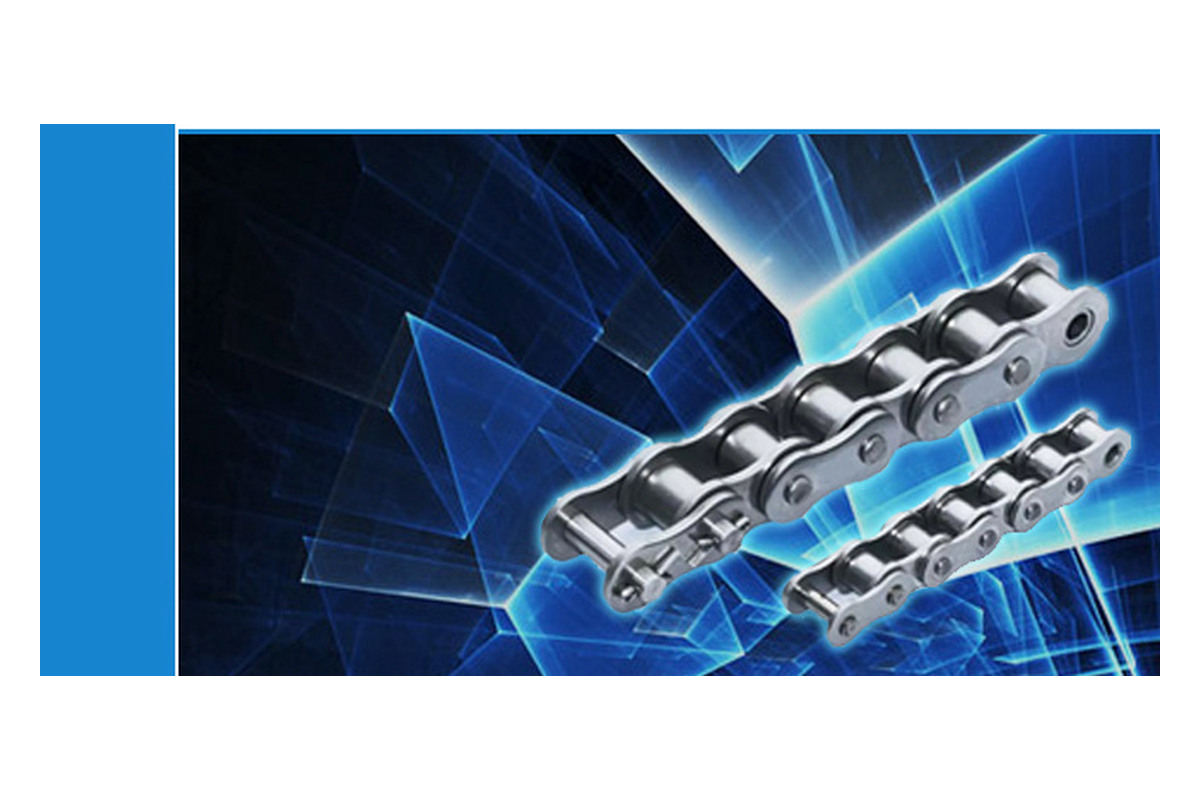
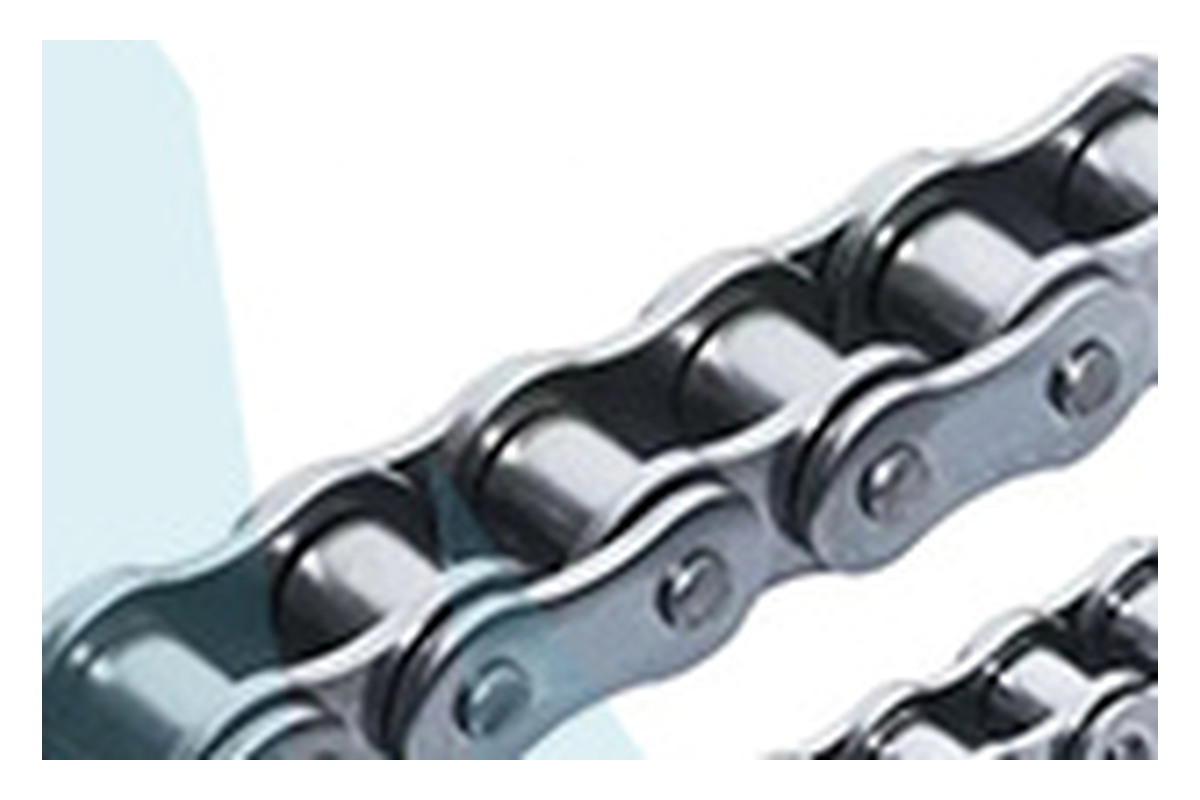
Zinc-Plated Corrosion-Resistant Chain is a documented product family for moderately corrosive or intermittently wet environments where surface protection is required but the application must still be reviewed for load, wear and lubricant compatibility. The catalogue page establishes the dimensional vocabulary, model naming and selected strength or mass data. It does not, by itself, determine whether one row is safe for a particular machine. Final selection needs the transmitted or conveyed load, speed, sprocket tooth count, centre distance, duty cycle, shock profile, environment, lubrication method and expected inspection practice.
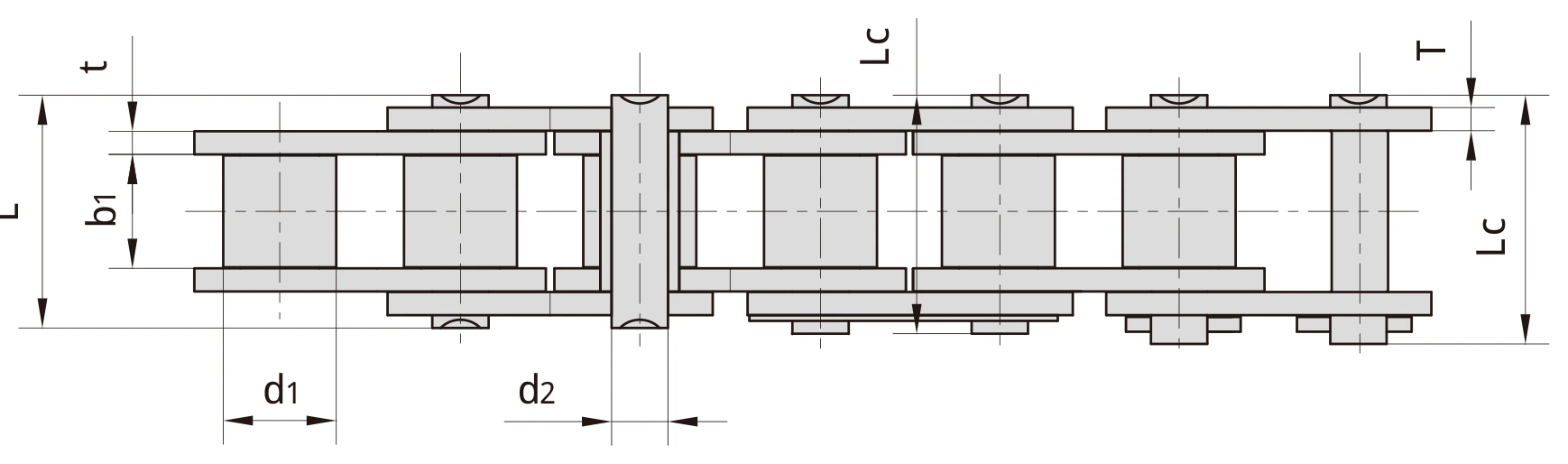
The intended application space includes washdown-adjacent equipment, outdoor mechanisms, light processing machinery and storage and handling systems. In each case, the chain and sprocket must be treated as a system. Pitch is only the first filter. Roller diameter, width between inner plates, pin diameter, plate depth, plate thickness, overall pin length and strand arrangement affect fit and function. Sprocket tooth form, tooth count, bore, hub configuration, alignment and runout also influence noise, wear and load distribution.
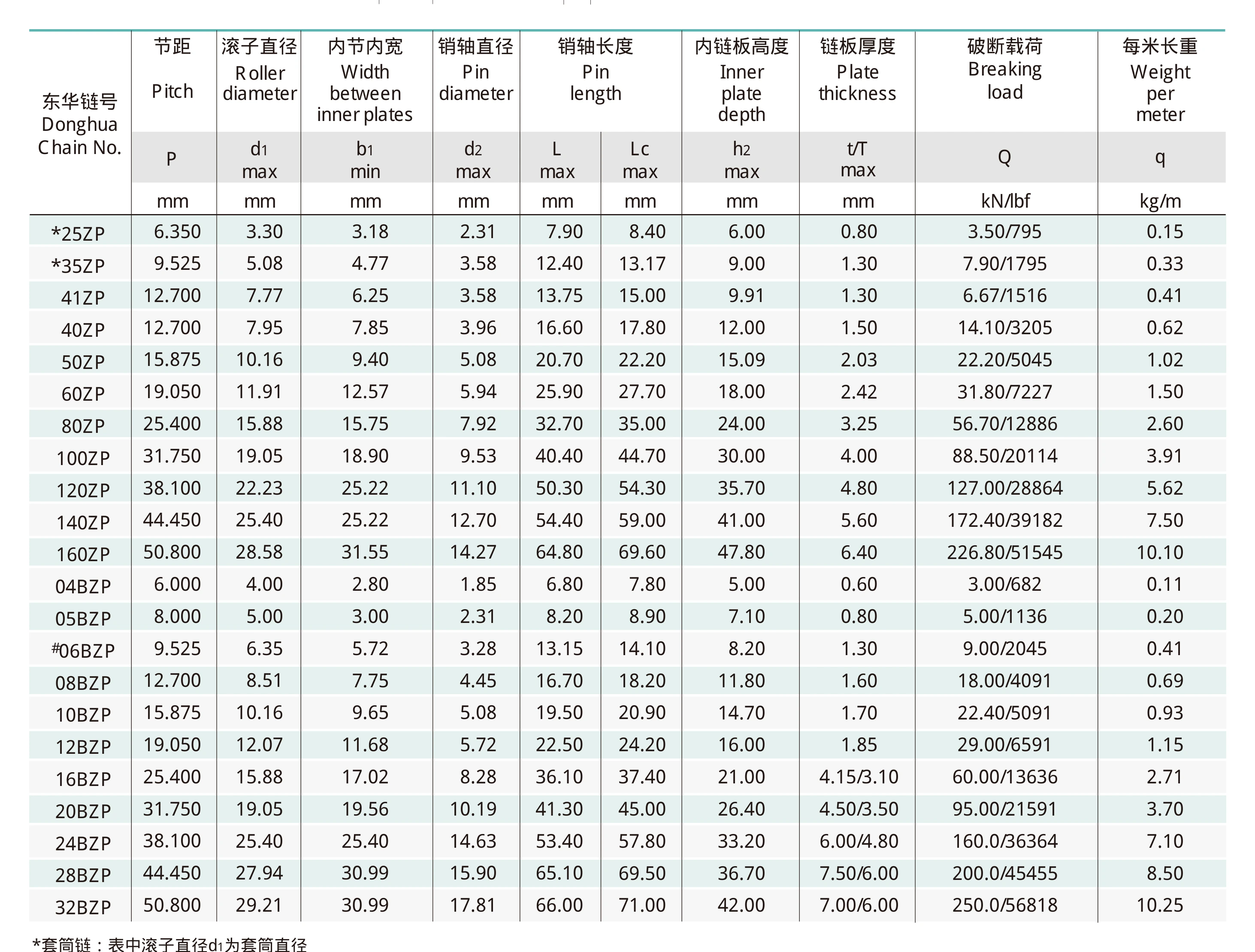
The source catalogue uses the family designation zinc-plated roller chain family and includes model examples such as ZP-suffixed chain numbers shown in the source matrix. Values shown in the HTML excerpt above are copied from catalogue page 50 and are labelled as catalogue-exact. The zoomable crop remains beside the table so an engineer can compare the transcription with the source. The approved order drawing and purchase specification control production.
Selection inputs that change the result
Start with the machine function rather than a preferred chain number. For a power-transmission drive, provide motor power, input speed, driven speed, service hours, start frequency, reversing duty, shock category and the smallest feasible sprocket. For a conveyor, provide chain pull or moving mass, incline, coefficient of friction, accumulation, attachment spacing, loading points and take-up arrangement. For a tension linkage or lifting mechanism, provide the complete load path, reeving geometry, anchor details and applicable safety requirements.
Speed matters because articulation frequency, centrifugal effects, lubrication delivery and chordal action change with pitch and sprocket size. A small sprocket may fit the available space but increases articulation angle and can raise dynamic loading. Long centre distances require a deliberate sag and take-up strategy. Multiple strands require accurate shaft alignment, matched sprockets and even load sharing; adding strands does not automatically multiply usable system capacity if the drive structure twists or one strand carries more load.
Environment is a separate design input. State temperature range, indoor or outdoor exposure, dust, abrasive fines, moisture, washdown chemicals, food contact restrictions, corrosion agents and storage conditions. A coating, stainless construction, seal or self-lubricating joint can address one part of the environment while introducing different limits. Material grade, heat treatment and coating specifications must therefore be confirmed on the quotation or drawing rather than inferred from a family name.
Sprockets, shafts and machine integration
Confirm the sprocket standard, tooth count, pitch, roller seating geometry, chain line and tooth width. Existing sprockets should be inspected for hooking, asymmetric wear, damaged teeth and excessive runout before a new chain is installed. A new chain on badly worn sprockets often wears rapidly because the pitch engagement is no longer uniform. When reverse engineering, supply photographs, tooth count, measured pitch, roller diameter, plate height and a clear shaft/hub drawing.
Shaft alignment should be checked in both angular and parallel directions. The chain should enter and leave the sprockets without side force. Guards, drip trays, oiling access and inspection openings need to be designed around the actual operating and maintenance method. In the United States, mechanical power-transmission guarding requirements may apply to sprockets and chains; the machine builder or employer remains responsible for the final compliant guard and safe maintenance procedure.
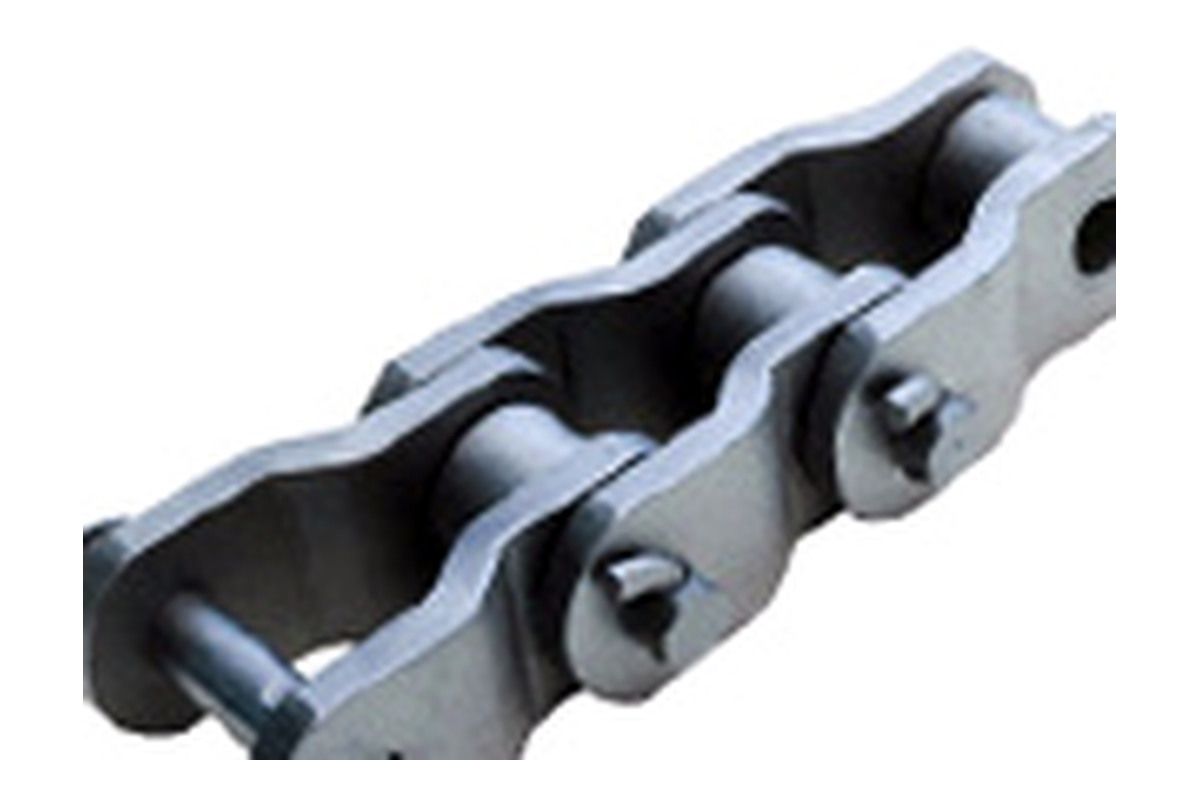
Attachment chains require additional checks. The attachment load should enter the chain without twisting the side plates or creating a sharp local bend. Hole position, attachment height, bend direction, spacing and tolerances must match the product carrier or bucket. For paired strands, attachments and chain lengths should be coordinated so the load is not pulled out of square. Welded or special attachments require an approved drawing and application review.
Commissioning sequence
Before installation, compare labels and measured critical dimensions with the approved drawing. Clean the sprockets and track, correct alignment, inspect shaft bearings and verify that the take-up has usable travel. Assemble connecting links in the specified orientation and use the correct retaining method. Do not reuse distorted clips, cotter pins or damaged link plates. For cottered, riveted or press-fit arrangements, use tooling and instructions appropriate to the selected chain.
Set initial chain tension or sag according to the drive layout, not by making the chain rigid. Rotate the system by hand where safe, checking for tight spots, interference and uneven engagement. Apply the approved lubricant to the pin-bush contact path. Run at low load, stop, isolate energy, inspect temperature and tracking, then recheck tension and fasteners. Record the commissioning condition so later elongation and wear inspections have a baseline.
Lubrication, inspection and troubleshooting
Most chain wear occurs at the articulating pin and bushing surfaces. Effective lubrication must reach that joint; coating only the outside of the plates provides limited wear protection. Select lubricant viscosity and application method for speed and temperature, then adjust the interval for contamination, washdown and duty cycle. A self-lubricating or sealed chain still requires periodic inspection and may have application limits that differ from conventional lubricated chain.
Measure elongation over a defined number of pitches under a consistent light measuring load. Inspect rollers for seizure or flats, plates for cracks or fretting, pins for rotation, retainers for damage and sprocket teeth for hooking. Look for red or black wear debris, dry shiny joints, uneven side wear and temperature rise. These symptoms can indicate poor lubricant penetration, misalignment, overload or an incompatible sprocket.
Do not correct a persistent problem by tightening the chain excessively. Tight chain can overload bearings, shafts and joints. If the chain repeatedly becomes tight at one rotational position, check sprocket eccentricity, shaft runout, bent shafts and uneven pitch wear. If one strand in a multiple-strand drive carries more load, check shaft stiffness, sprocket matching and installation alignment. The principal project risks for this family include assuming plating makes a chain maintenance-free; abrasive removal of the protective layer; chemical incompatibility; hydrogen-embrittlement-sensitive duty without engineering review.
Evidence boundary and standards context
ISO 606:2015 is the current published international standard covering short-pitch precision roller and bush chains, attachments and associated sprockets; ISO lists it as current but scheduled for revision. In North American projects, the relevant ASME B29 document depends on the chain class. ASME B29.1 addresses precision power-transmission roller chains, while separate documents cover double-pitch, steel conveyor, agricultural and silent-chain families. A catalogue number that resembles a standard designation does not prove interchangeability. Confirm the complete dimensional envelope and project requirements.
The web context on this page supports terminology, selection logic and current standards status. It does not replace the supplied catalogue values. Competitor catalogues found in connected Drive research were used only to identify common buyer questions and documentation practices; their dimensions, ratings, images and claims were not copied into the product data.
RFQ and drawing-approval checklist
- Requested chain number, standard reference and strand count.
- Required length, number of pitches, matched-length requirement and quantity.
- Motor power or conveyor pull, speed, duty cycle, shock and reversing details.
- Sprocket tooth counts, bore/hub details, centre distance and current sprocket condition.
- Attachment drawing, extended-pin orientation, bucket or carrier spacing where applicable.
- Environment, temperature, corrosion, washdown, contamination and lubrication restrictions.
- Required connecting links, offset links, cottered links, tools and spare parts.
- Inspection documents, marking, packaging and approved drawing requirements.
Send the machine data before ordering
Reference catalogue page 50 and include a drawing or clear measurements. We will separate catalogue facts from application assumptions and mark any unresolved interface before quotation.
Request a verified proposalFrequently asked questions
Can I select this chain only from pitch and tensile strength?
No. Pitch and tensile data are screening inputs. Roller and plate geometry, sprocket design, speed, shock, environment, lubrication and system stiffness also affect suitability.
Are catalogue dimensions final production dimensions?
The catalogue is the technical source for this page, but the approved order drawing and purchase specification control the final product.
Can an ANSI number and ISO number be treated as interchangeable?
Not without checking every relevant dimension and the sprocket interface. Similar naming or pitch does not establish interchangeability.
What information is most useful for a replacement inquiry?
Provide the chain marking, pitch, roller diameter, inner width, plate height, strand count, attachment details, tooth count, photos and operating duty.
Does corrosion-resistant or self-lubricating mean maintenance-free?
No. Those features address specific environmental or lubrication needs. Inspection, alignment control and duty limits still apply.